Agentic AI Triggers Massive 96% Surge in Cloud Infrastructure Spending
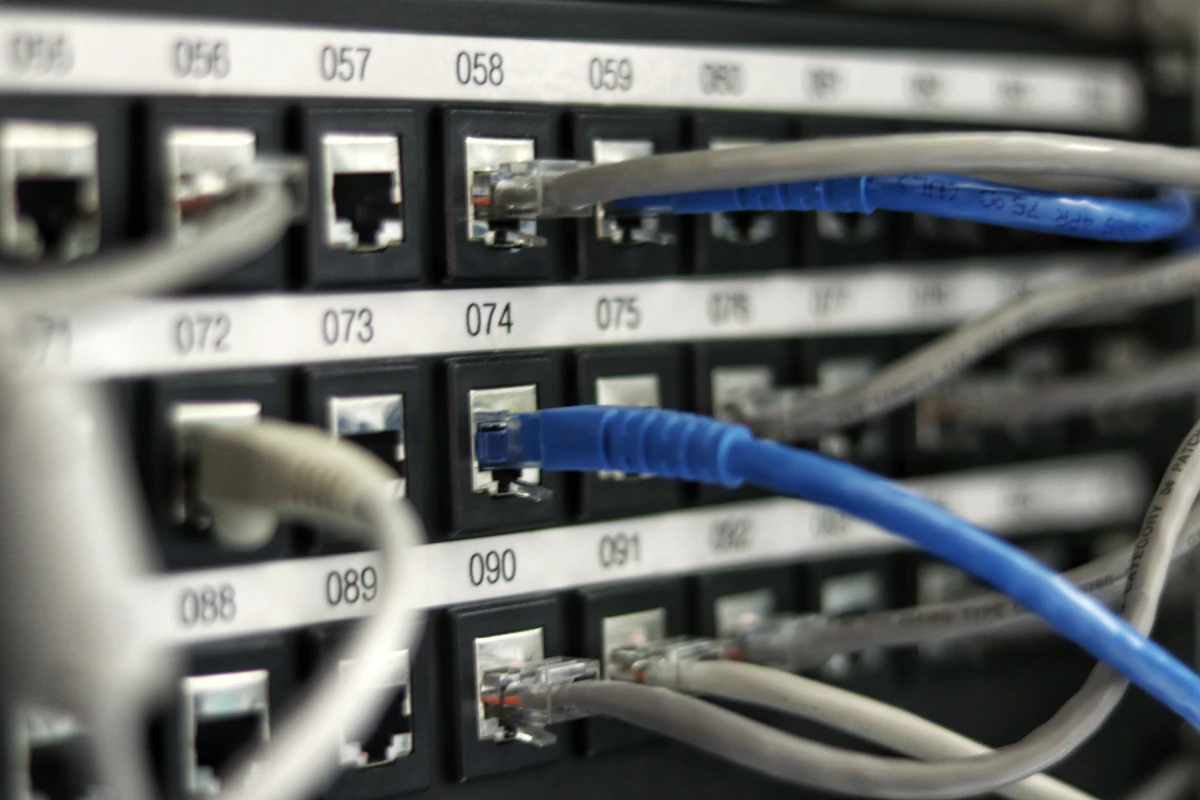
The enterprise cloud computing landscape is undergoing one of its most disruptive transformations to date. According to market intelligence from Gartner, enterprise spending on AI-optimized cloud infrastructure is projected to skyrocket by 96% in 2026, reaching $42 billion and on track to surpass $66 billion as organizations re-engineer architectures for autonomous agents.
From Conversational Chatbots to Continuous Agentic Workloads
For the past several years, enterprise artificial intelligence adoption largely centered around conversational assistants and static querying. However, the rapid rise and operational deployment of agentic AI systems have fundamentally altered computational demands. Unlike simple query-and-response chatbots, autonomous AI agents perform continuous multi-step reasoning, integrate real-time tool execution, and execute automated workflows across disparate software environments.
Recent computational research from Signal65 highlights that agentic workloads consume anywhere between 4 to 15 times more tokens than standard conversational interactions. This massive increase in token density translates directly into continuous, high-throughput inference requirements, creating bottlenecks across conventional cloud setups.
Rethinking Cloud Architecture: Purpose-Built Over General-Purpose
This transition is dismantling traditional assumptions regarding general-purpose cloud computing. Organizations can no longer rely solely on legacy virtual machines and standard CPU allocations to sustain heavy AI pipelines. Instead, hyperscalers such as AWS, Microsoft Azure, and Google Cloud are reconfiguring their hardware footprints to support high-density GPU/accelerator clusters, low-latency inter-node networking, and memory-bandwidth-optimized architectures specifically tailored for large language models (LLMs) and distributed inference.
Cloud strategists and CIOs are increasingly evaluating workload-specific economics—weighing on-demand public cloud inference clusters against hybrid and dedicated private neocloud infrastructure to balance performance, cost predictability, and strict data governance requirements.
Sources & Justification
Source Citations
- ITPro: Agentic AI is spurring a 'fundamental shift' in cloud infrastructure consumption (Published August 17, 2026) — ITPro Coverage
- Gartner Research: Forecast Analysis: AI-Optimized Cloud Infrastructure Worldwide (August 2026 Analysis) — Gartner Insights
Source Relevance Justification
- Direct Domain Authority: Gartner and ITPro are Tier-1 authoritative industry benchmarks for IT enterprise spending, cloud compute metrics, and technology forecasting.
- Timeliness: Content reflects breaking analysis released within the last 24 hours addressing the August 2026 inflection point in agentic AI deployment.
- Verifiable Empirical Data: Provides precise financial projections ($42B growing to $66B) and computational benchmarks (4x–15x token consumption increase).