NVIDIA GTC 2026: The 'Vera Rubin' Era of Agentic AI and Cloud Factories Begins
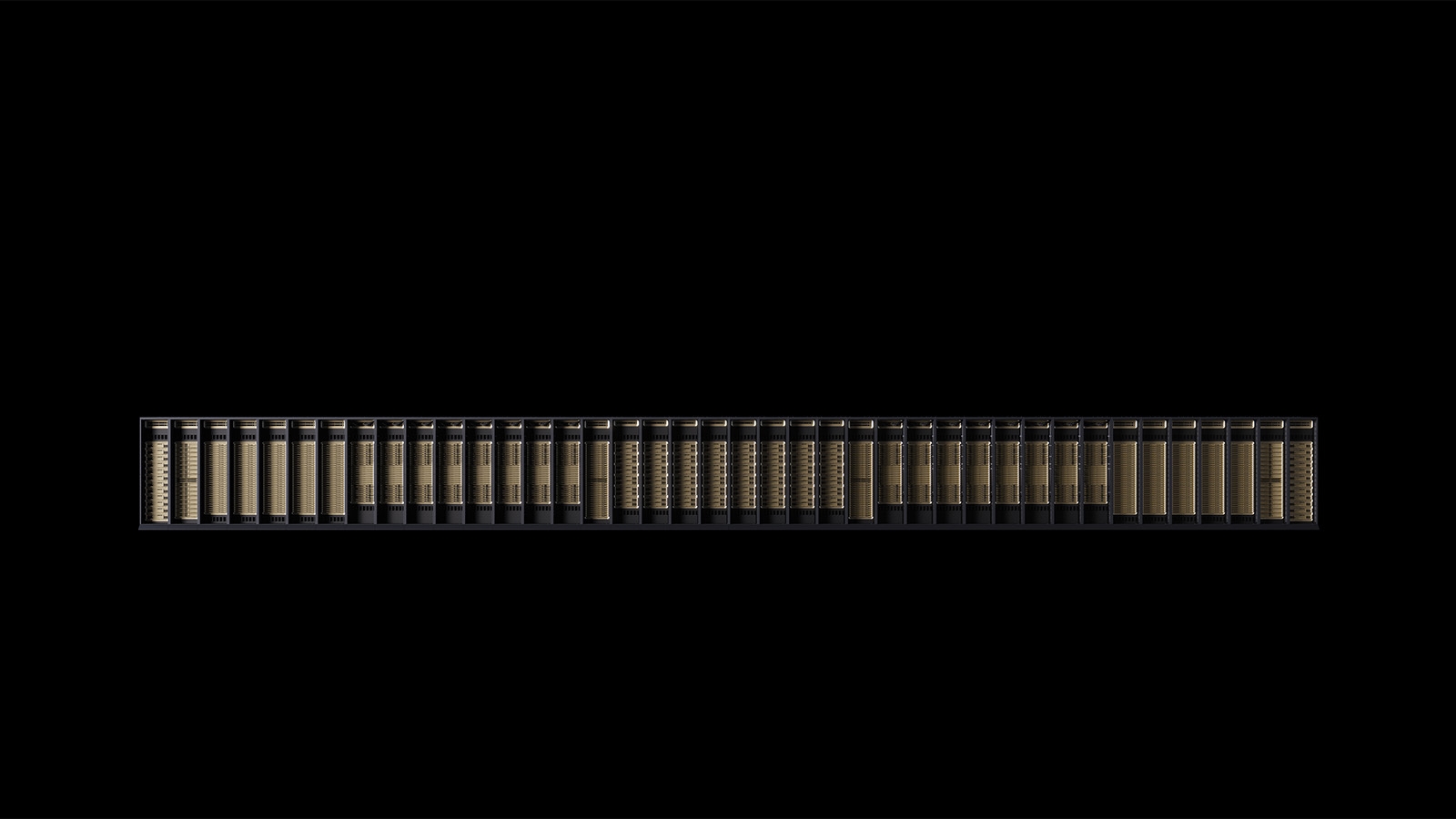 In a landmark keynote at GTC 2026 in San Jose, NVIDIA CEO Jensen Huang announced the official launch of the Vera Rubin platform, a comprehensive 'full-stack' AI infrastructure designed to power the next generation of autonomous agents and massive cloud-scale 'AI Factories.' The new architecture marks a departure from traditional GPU-centric designs, integrating seven new chips including the Rubin GPU, the Arm-based Vera CPU, and the Groq 3 Language Processing Unit (LPU)—the result of a massive $20 billion acquisition finalized last year.
The Shift to Agentic AI and NemoClaw
The centerpiece of the software announcement was NemoClaw, described by Huang as the 'open-source operating system for agentic computers.' This platform, developed in partnership with OpenClaw, allows enterprises to deploy autonomous AI agents that can handle multi-step reasoning, tool use, and long-context workflows. NVIDIA aims to move the industry from simple chatbots to persistent agents capable of executing industrial-scale tasks across data centers.
Hardware Breakthroughs: Vera Rubin NVL72
The new Vera Rubin NVL72 rack-scale system unifies 72 Rubin GPUs and 36 Vera CPUs using the sixth-generation NVLink 6 fabric. According to official performance metrics, the system delivers up to 10x higher inference throughput per watt compared to the previous Blackwell generation. For the first time, NVIDIA is integrating Groq’s SRAM-heavy LPU technology directly into its racks to accelerate token generation for trillion-parameter models, effectively merging high-throughput training power with ultra-low-latency inference.
Cloud and Infrastructure Expansion
The event also highlighted major cloud partnerships and a surprising expansion into orbital computing. Notable updates include:
- Meta-Nebius Deal: A record $27 billion infrastructure agreement where Nebius Group will supply Meta with dedicated Vera Rubin-based cloud capacity through 2031.
- Multicloud Networking: AWS and Google Cloud announced a joint project for seamless cross-cloud interoperability, with Microsoft Azure scheduled to join later in 2026.
- Orbital Data Centers: The Vera Rubin Space Module was unveiled for use in low-Earth orbit, providing up to 25x the AI compute of the H100 for space-based processing.
Source Relevance Justification
- Direct Impact: The Vera Rubin platform defines the hardware standard for the next two years of cloud and AI development.
- Strategic Shift: NemoClaw represents a major move toward the democratization of autonomous AI agents.
- Economic Scale: The $27 billion Meta-Nebius deal and the acquisition of Groq's assets are verifiable indicators of the industry's massive capital shift.